The massive surge in interest regarding personality inventories in recent years—especially during the 2024–2026 period—is the result of both technological and sociological shifts. The human need to define oneself and establish meaningful connections with others has pushed these tools into the center of popular culture. On this page, you can find information about Enneagram and MBTI, which are two of many personality inventories.
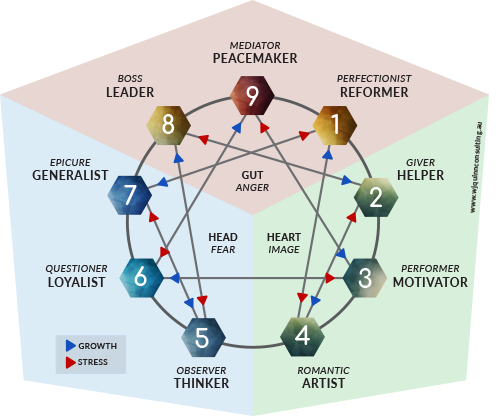
It is a model based on 9 different types that focuses briefly on individuals’ basic fears and desires. The origins of Enneagram is rooted in ancient teachings but blended with modern psychology. Its biggest difference from other tests (such as MBTI or Big Five) is that it attempts to explain not just what a person does, but why they do it—their core fears and desires.
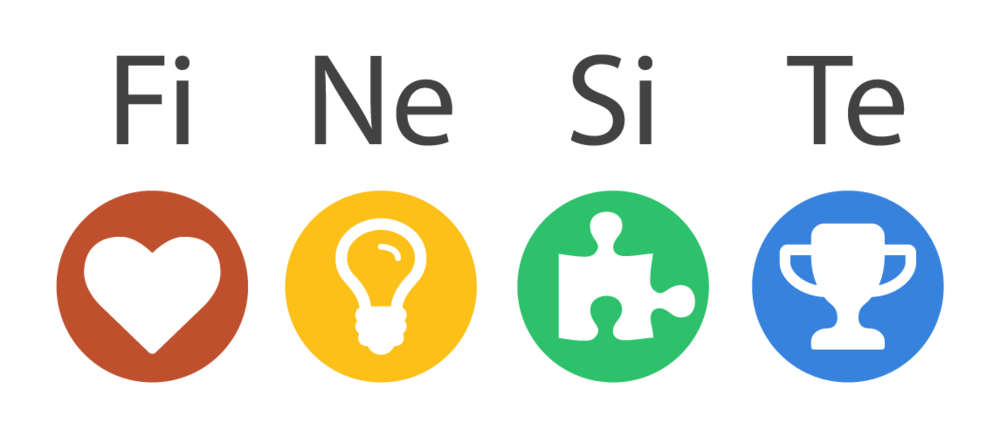
Carl Jung’s theory forms the foundation of modern personality type analyses (such as MBTI). According to Jung, every human uses four basic psychological functions when perceiving the world and making decisions. These functions are divided into two categories—Introverted or Extroverted—depending on the direction of energy, creating a total of 8 cognitive functions.
Jung categorizes these functions into two main groups: Perceiving (gathering information) and Judging (making decisions).
Leave a Reply